

ADU Laws in NYC: What Local Laws 126 & 127 Mean for Homeowners and Investors
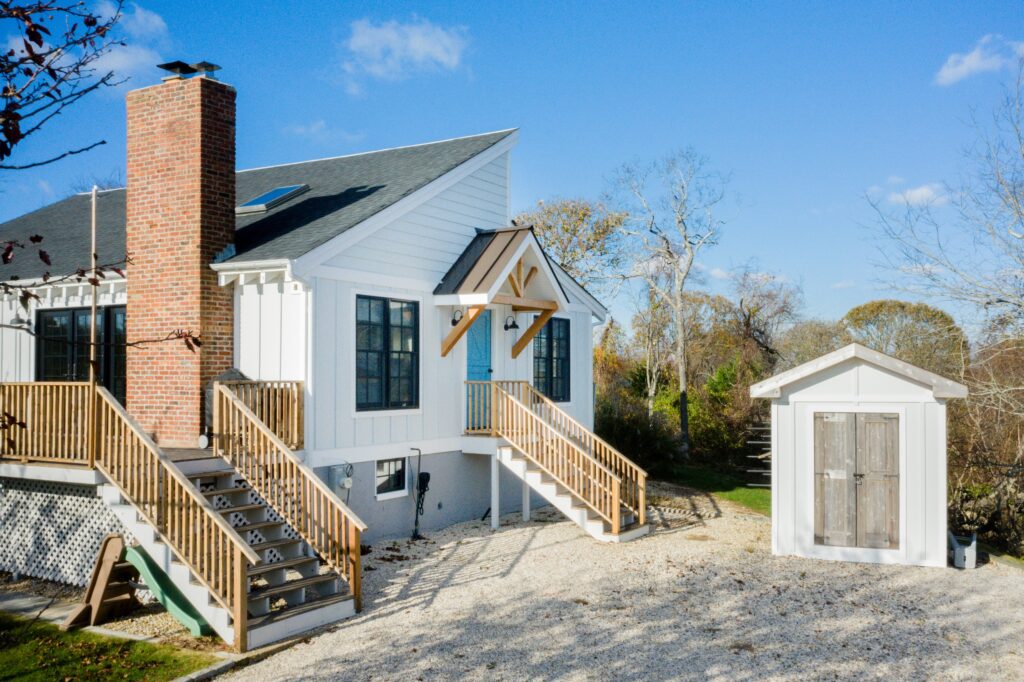
If you own a home or small residential building in New York City, you’ve probably heard some buzz lately about Accessory Dwelling Units (ADUs). Basement apartments. Backyard cottages. Attic conversions. For years, many of these spaces existed in a legal gray area, or were outright prohibited.
That changed in late 2024, when NYC passed Local Laws 126 and 127, making it significantly easier (and safer) to create or legalize ADUs across the city. Let’s break down what these new laws mean, why they were enacted, and how you can take advantage of them.
What Is an ADU (Accessory Dwelling Unit)?
An Accessory Dwelling Unit (ADU) is a self-contained residential unit located on the same tax lot as a primary one- or two-family home.
In NYC, ADUs can now include:
- Basement or cellar apartments
- Attic apartments
- Attached additions
- Detached backyard structures
- Even certain manufactured homes
Each ADU must function as a complete apartment, with its own kitchen, bathroom, living space, and entrance.
Why Did NYC Enact Local Laws 126 & 127?
NYC is facing a serious housing shortage. Instead of relying solely on new large-scale developments, the city chose a smarter, faster solution: unlocking underused space in existing homes.
Local Laws 126 and 127 were enacted to:
- Increase safe, legal housing options
- Create rental income opportunities for homeowners
- Help families house relatives on the same property
- Replace unsafe or illegal apartments with code-compliant units
These laws fall under the broader “City of Yes for Housing Opportunity” initiative , a citywide effort to modernize zoning and housing regulations.
The Big Difference Between LL 126 and LL 127
Local Law 127: The ADU Rulebook
LL 127 establishes clear zoning, construction, safety, and occupancy standards for new ADUs, including:
- Maximum ADU size of 800 square feet
- Fire safety and egress requirements
- Separate entrance requirements
- Rules around light, air, and ceiling height
- Certificate of Occupancy (C of O) requirements
In short: LL 127 explains how to legally build an ADU.
Local Law 126: Legalizing Existing Units
LL 126 focuses on legalizing certain pre-existing basement and cellar apartments that were built before April 20, 2024.
Key points:
- Applies only to 1- and 2-family homes
- Units must be located outside high-risk flood zones
- Owners can keep units occupied during legalization if milestones are met
- Legalization occurs over a 10-year compliance period
This is huge for homeowners who already have a basement apartment but want to bring it fully up to code.
Where ADUs Are (and Aren’t) Allowed in NYC
While the laws are broad, there are some important restrictions:
ADUs are not permitted in:
- Certain historic districts
- Specific low-density zoning districts outside transit zones
- Some waterfront and flood-prone areas
- Rear yard setbacks for attached homes
Subgrade ADUs (basements/cellars) are not allowed in FEMA flood hazard zones or NYC-designated flood risk areas.
This is where working with an architect is critical , zoning mistakes can derail a project fast.
Types of ADUs Allowed Under the New Laws
NYC now allows one ADU per tax lot, including:
- Above-grade ADUs within or attached to a home
- Basement or cellar ADUs
- ADUs separated by a fire wall
- Detached backyard ADUs
- Manufactured homes used as ADUs
Each type comes with different technical and code requirements, including ceiling heights, fire separations, utilities, and access.
How to Build a New ADU in NYC
The process is similar to other DOB projects, but with ADU-specific rules.
Typical steps include:
- Hiring a licensed architect
- Filing an Alt-CO or New Building application in DOB NOW: Build
- Preparing zoning and code-compliant drawings
- DOB plan review and approvals
- Construction and inspections
- Issuance of a Certificate of Occupancy
How to Legalize an Existing Basement or Cellar Unit
Legalizing an existing ADU follows a similar path , with a few added considerations:
- The unit must predate April 20, 2024
- It must be located in an eligible community district
- Fire, egress, and safety upgrades are usually required
- Temporary occupancy may be allowed during compliance
- DOB rules must be followed once officially promulgated
Not every existing unit qualifies, which is why an architectural feasibility review is essential.
Why ADUs Are a Smart Investment
For homeowners and investors, ADUs offer:
- Long-term rental income
- Increased property value
- Flexibility for family housing
- A legal, code-compliant alternative to risky illegal apartments
Done correctly, an ADU can be one of the highest-ROI improvements you can make to a small residential property in NYC.
How Parkbench Architects Can Help
ADU projects sit at the intersection of zoning, building code, fire safety, and DOB approvals , and that’s exactly where Parkbench Architects excels.
We can help you:
- Confirm if your property qualifies for an ADU
- Choose the best ADU type for your site
- Design code-compliant, DOB-ready drawings
- Navigate LL 126 and LL 127 requirements
- Legalize existing units or design new ones
If you’re considering an ADU in NYC , or wondering whether your basement apartment can be legalized, Parkbench Architects can guide you from feasibility through approval and construction.
Thinking about building or legalizing an ADU?
Reach out to Parkbench Architects to discuss your property, your goals, and the smartest path forward under NYC’s new ADU laws.